

[REVIEW] Apostille your police clearance before attestation: the right order
Police clearance and legalisation
The short answer
The order is fixed: the South African Police Service (SAPS) issues the police clearance certificate first, the Department of International Relations and Cooperation (DIRCO) legalises it second, and embassy attestation, where the destination requires it, comes third. The apostille, or the authentication that replaces it for non-Hague countries, always comes before any embassy stamp.
DIRCO will not legalise a police clearance older than six months, which is why the sequence and the timing have to be planned together.
For a South African police clearance certificate the sequence is the same every time. What changes is whether the DIRCO step is an apostille or a Certificate of Authentication, and whether an embassy step follows at all. That depends entirely on the country the certificate is for.
Does a South African police clearance need an apostille or attestation?
South Africa is a party to the Hague Apostille Convention. If the destination country is too, a DIRCO apostille is the only legalisation required. In practice some receiving bodies, notably in Saudi Arabia, still ask for more, so confirm with your sponsor. If the destination is outside the Convention, DIRCO issues a Certificate of Authentication instead, and the destination’s embassy then attests the document. For Qatar and Kuwait, the Ministry of Foreign Affairs adds a final stamp after arrival.
Apostille route
Hague Convention destinations
The United Kingdom, Ireland, the EU, Australia, New Zealand, the USA, Canada, Saudi Arabia, Oman and Bahrain. One DIRCO apostille and the chain ends there, though some Saudi employers and ministries still ask for embassy attestation on specific documents, so confirm with your sponsor.
Authentication and embassy route
Destinations outside the Convention
The UAE, Qatar and Kuwait. DIRCO issues a Certificate of Authentication, then the destination country’s embassy in Pretoria attests the document. For Qatar and Kuwait, the Ministry of Foreign Affairs adds a final stamp after arrival.
For the difference between the two certificates, see apostille versus attestation.
The correct order for a police clearance going abroad
-
Get the police clearance certificate issued
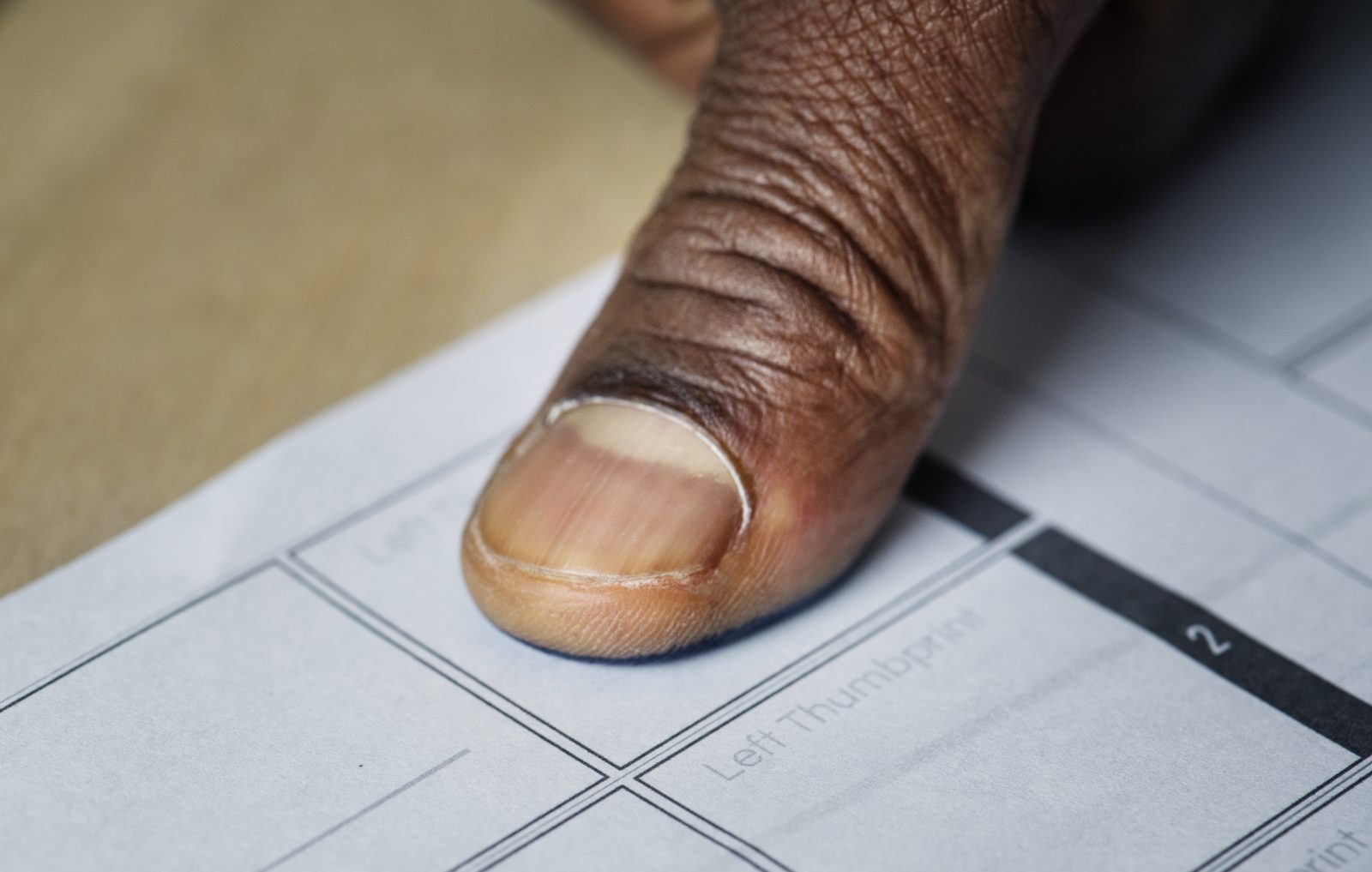
SAPS works to a stated six to eight weeks from receipt of a complete application. Nothing else can start until the original certificate, signed and stamped by SAPS, is in hand.
-
Confirm the route for the destination
Hague Apostille Convention country: apostille. Outside the Convention: authentication followed by embassy attestation. The country decides, and getting this wrong wastes the whole next step.
-
DIRCO legalisation in Pretoria
DIRCO issues either the apostille or the Certificate of Authentication, and will not legalise a police clearance older than six months from the date of issue.
-
Embassy attestation, non-Hague countries only
The destination country’s embassy or consulate in Pretoria attests the DIRCO-authenticated certificate. Each embassy sets its own requirements and processing time.
-
Sworn translation, where required
Some destinations want the certificate translated by a sworn translator. Whether this happens before or after legalisation depends on the country, and doing it in the wrong place means redoing it.
-
Ministry of Foreign Affairs (MOFA), after arrival
For Qatar and Kuwait, the final stamp is applied by the Ministry of Foreign Affairs in the destination country once you are there. It cannot be done from South Africa.
Steps four to six only apply to non-Hague destinations. For the UK, Europe, Australia or North America, the chain ends at step three.
Why the six-month rule decides when you apply for the police clearance
Two clocks run against each other. SAPS takes a stated six to eight weeks to issue the certificate, and DIRCO will not legalise any police clearance older than six months from its date of issue. Most embassies and employers then want the finished document to be recent as well.
That leaves a window of a few months in which the certificate must be issued, legalised, attested where needed, translated where needed and delivered. Applying for the police clearance too early is as much a problem as applying too late. The certificate should go to DIRCO as soon as it is issued, not when the visa paperwork finally comes together.
Planning rule
Work backwards from the date the receiving authority needs the document. Start the police clearance at least three months before, and plan the DIRCO and embassy steps to run immediately after issue, not weeks later.
If you are outside the country, courier time is added at both ends. See police clearance from abroad and how long a police clearance takes.
Sequencing mistakes that cost weeks
Apostilling a certificate bound for the UAE
An apostille is meaningless to a non-Hague country. The certificate has to go back to DIRCO for authentication, and the weeks spent on the apostille are lost.
Getting the police clearance too early
Applicants start the police clearance first, then wait months before legalising. By then DIRCO’s six-month limit has passed and a fresh certificate is needed.
Assuming the embassy step can be skipped
For the UAE, Qatar and Kuwait, DIRCO authentication alone is not enough. Employers and immigration authorities will not accept a certificate without the required embassy attestation.
Does the police clearance need a sworn translation?
For English-speaking destinations, no. For the Gulf and parts of Europe, often yes, and the translation must be done by a sworn translator. Where it sits in the chain differs by country. Some authorities want the translation attached before DIRCO legalises the set; others want the legalised original translated afterwards and the translation legalised separately. Doing it in the wrong place means doing it twice.
Can the police clearance and the legalisation be handled together?
Yes. When the police clearance application and the legalisation are managed as one job, the certificate goes to DIRCO the day it is issued, the route has already been confirmed with the destination, the translation is booked at the right point, and the six-month window is used rather than wasted. For the wider process, see our guide to document attestation in South Africa and the country pages for the UAE, Qatar, Saudi Arabia and Kuwait.
Apostille and police clearance: common questions
Do I need an apostille or embassy attestation for my police clearance certificate?
It depends on the destination. Hague Apostille Convention countries, including the UK, EU states, Australia, the USA, Canada, Saudi Arabia and Oman, accept a DIRCO apostille. The UAE, Qatar and Kuwait require DIRCO authentication followed by embassy and Ministry of Foreign Affairs attestation.
Can I apostille a police clearance certificate that is older than six months?
No. DIRCO will not legalise a South African police clearance certificate older than six months from its date of issue. You would need to apply for a new certificate.
Can the police clearance and the apostille be done as one job?
Yes. We manage the police clearance application and the legalisation as a single sequence, so the certificate goes to DIRCO as soon as it is issued and the six-month window is not wasted.
Does a police clearance certificate need a sworn translation for the Gulf?
Often, yes. Several Gulf authorities require an Arabic sworn translation, and the point at which it is done matters. We confirm the requirement and the order for your destination before anything is lodged.
Get the police clearance and the legalisation done in the right order
Tell us the destination country and your deadline, and let MGA Experiences run the whole chain in the right order. We will confirm the route, the translation requirement and a realistic timeline.
No obligation. We will tell you if you do not need us.


